


Introduction
It’s not just a van break-in—it’s a domino effect on your livelihood. When tools are stolen, actual police investigations reveal how far the ripple goes. In this blog, we examine real UK police case studies, show how trades are targeted, and give you practical steps to protect your kit.
Background: The scale & police response
- A debate in Parliament revealed that theft of tools of trade now affects “one in 10 tradespeople” and the average loss is over £2,700 plus business disruption. Hansard+1
- In April 2025, the Essex Police (with the Metropolitan Police Service) seized around 1,000 suspected stolen tools, worth tens of thousands of pounds, during a car-boot-sale operation. essex.police.uk
- According to data, in 2023 tools worth about £98 million were stolen from UK tradespeople, with a theft reported every 12 minutes. DLG Corporate Corporate Website+1
Case studies & key points
- Case Study 1: During a joint operation in Essex, officers traced stolen kit to a car-boot sale, arrested four suspects, and recovered hundreds of marked items. Key takeaway: marking and tracing tools matters. essex.police.uk
- Case Study 2: Parliamentary research found that less than 10 % of tool-theft victims see justice, highlighting under-resourcing in investigations. Hansard+1
Main points:
- Organised criminals target trades tools because resale is easy and risk is perceived low.
- Many thefts originate from vans parked overnight or unsecured storage.
- Recovery rates are low; without serial numbers, tracing stolen gear is difficult.
- Police and community networks like KYNEKT emphasise “Secure the Trade” — sharing intelligence and good practice.
Practical tips: learn from police insight
- Mark & register your kit: Engrave, label and record serial numbers so police can trace items.
- Secure overnight storage: Avoid leaving vans on the street; choose well-lit or monitored parking.
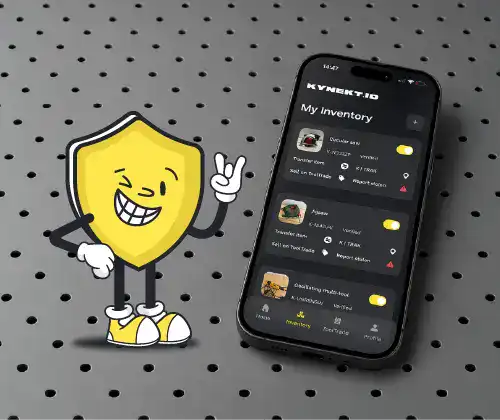
- Documentation helps: Photograph tools, keep receipts, log your inventory to support investigations.
- Report promptly & cooperate: Provide full details to police — quicker reporting increases chances of recovery.
- Share intel with peers: Use networks such as KYNEKT to spread awareness of hotspot areas and tactics.
Conclusion
These case studies show the real consequences of tool theft—and the real responses by police. Your gear isn’t just property—it’s your living. By marking your tools, securing storage, and working with community networks, you tilt the odds back in your favour. Because when police and tradespeople act together, stolen tools aren’t just lost—they’re recovered, and thieves lose their edge.