

Introduction
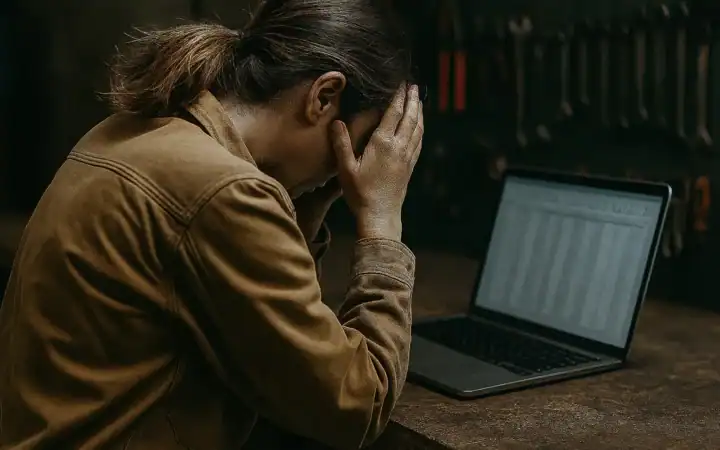
You lock up your van at the end of the day, yet the thought of “Will someone target me next?” follows you home anyway. For many tradespeople, tool theft isn’t just about losing equipment—it’s a blow to mental health, sleep patterns and overall wellbeing. Here’s how the unseen effects of theft ripple out beyond the site.
Background: the hidden impact
- A UK Parliamentary debate noted “more than 80% of victims report a decline in their mental health”. Hansard
- Research found nearly 90% of UK tradespeople worry about tool theft—stress and anxiety now widespread. buildersmerchantsnews.co.uk
- According to guidance for tradespeople, over 1 in 5 say equipment theft has “stress and mental-health struggles” at its heart. nfumutual.co.uk
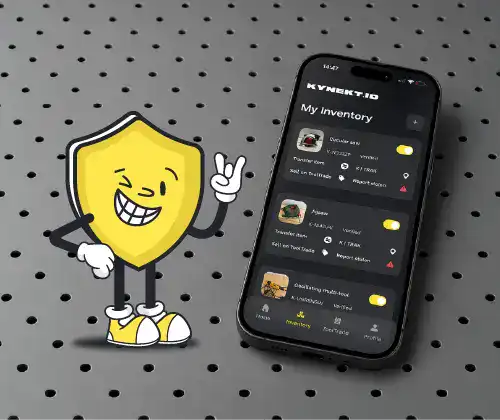
- Industry-wide networks such as KYNEKT (via its “secure the trade” message) highlight the broader role of trade-community resilience and support. (See their recent LinkedIn post)
Main arguments & points
- Persistent worry = sleep loss – The fear of repeat theft keeps many awake, checking vans, reviewing security and replaying past incidents in their mind.
- Stress + lost earnings = mental load – Besides replacing tools, victims face downtime, job cancellations and rising insurance costs—all heavy burdens on mental health.
- Isolation compounds the effect – Many tradespeople operate alone; the emotional fallout from theft remains unseen and unsupported.
- Chain reaction on performance – Fatigued, anxious and distracted workers are more prone to accidents—so theft indirectly raises safety risks too.
- Industry-wide anxiety – When 76% have experienced theft or multiple incidents, the mental-health impact isn’t individual—it’s systemic. buildersmerchantsnews.co.uk+1
Practical tips: keeping mind & kit safe
- Talk about it – Sharing your experience with trusted peers or trade networks (like KYNEKT) lifts isolation and reveals coping strategies.
- Security rituals – By locking tools, immobilising vans and keeping clear records, you help reduce mental load by knowing you’ve done everything you can.
- Prioritise sleep hygiene – After an incident, set boundaries: a check-list before bed, then power off device to give your mind a rest.
- Access support – If theft leaves you anxious or struggling, reach out: charities such as Samaritans are open 24/7 for everyone. nfumutual.co.uk
- Plan recovery – Document tools, serials, insurance details and a step-by-step plan for what happens next. Knowing your plan reduces mental strain.
Conclusion
Theft on site is more than a loss of kit—it’s a silent burden on sleep, stress levels and mental health. Tradespeople deserve more than statistics — they deserve systems, support and community. By combining practical security steps with emotional awareness and peer support (such as that inspired by KYNEKT’s “secure the trade”), you stand stronger. Because protecting your tools isn’t just about the toolbox—it’s about your headspace too.