


Introduction
You swing open your van door and feel that sinking gut-drop—something’s missing. It’s not just a tool gone; it’s a job paused, cashflow hit and trust shaken. What if your kit had a name, a number and a trail? Making tools traceable isn’t complicated—it’s smart trade practice. Let’s walk through why it matters, key points and practical ways to get it done.
Background: Why Traceability Matters
- In the UK, tradespeople suffer from tool-theft so often that tracing stolen gear is a major barrier to recovery. Simply Business UK+2FMB+2
- Experts recommend marking or engraving tools and keeping serial logs to speed claims and recovery. FMB+1
- Registered and verified trade networks (such as KYNEKT’s “Secure the Trade” initiative) help link tools, tradespeople and proven supply-chains—adding traceability not just to the tool, but to your business reputation.
Main Arguments & Points
• What traceability gives you
- You record serial numbers, tag tools with your name or business number—making them harder to sell if stolen.
- You show clear ownership to insurers, police or buyers, making recovery or legitimacy easier.
- You increase your credibility with clients and suppliers when your kit is identifiable, tool-watching becomes part of your brand.
• Where many trades miss it
- Tools moved across sites or vans frequently, with no master list and no unique ids.
- Relying on memory or receipt alone—no photo, no mark, no registration.
- Buying second-hand or “unused” tools without checking provenance or serial logging.
Practical Tips — Get Traceable Now
- Tag your kit: Use engravers, UV pens or forensic-mark kits (e.g., from providers like SelectaDNA). selectadna.co.uk+1
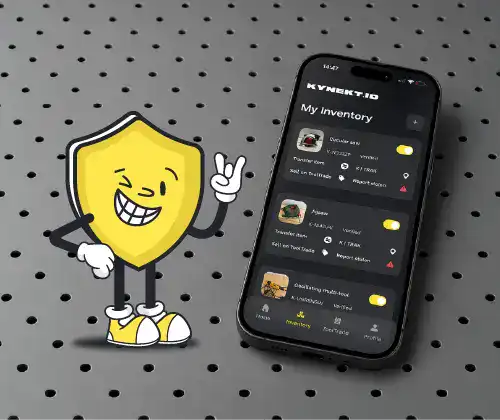
- Register tools: Keep a spreadsheet or app-based list: tool name, serial number, photo, purchase date.
- Use verified trade platforms: Joining networks like KYNEKT “Secure the Trade” adds a layer of supply-chain traceability and reduces risk of stolen gear.
- Inspect incoming tools: Check serials, stickers, ask for proof of purchase—if a deal looks too good, vet it.
- Update your list: When tools are lent, sold or left site, update your register immediately to avoid confusion if retrieval is needed.
Conclusion
Traceability turns your kit from anonymous to accountable. With clear markings, records and use of verified trade networks you reduce risk, improve claims and protect your livelihood. Take these small steps now and your tools will thank you later—because when the worst happens, you’ll be ready.