


Introduction
Imagine installing a security gadget and finally being able to sleep easy, only to find out months later it barely did anything. Real security is more than a flashy device — it’s about products that genuinely perform and integrate into your everyday life. Let’s cut through the noise and look at security products that actually work, especially in the UK context.
Background: The Trust Gap & Reality Check
- Studies show many security systems fail to deliver what they promise — reliability, ease of use and reaction speed all matter. Which?+2The Independent+2
- Quality certification counts: in the UK, marks like the BSI Kitemark signal independently-tested standards in products. Wikipedia
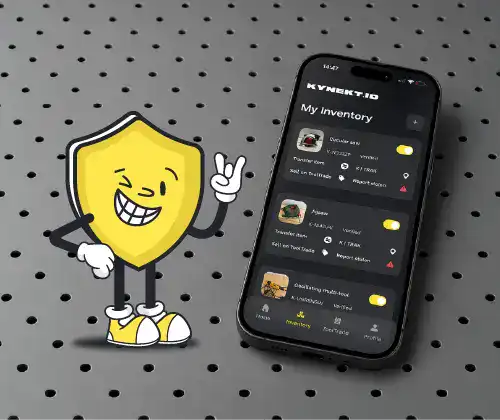
- Trade networks matter: for example, the platform KYNEKT highlights real stories from tradespeople about kit theft and tool safety — crowd-sourced insights that complement product specs. Trustpilot+2Trustpilot+2
Main Arguments & Key Points
1) Hardware quality beats hype
- A smart alarm brand may look sleek, but if the sensors are weak or the siren too soft you’ve still got weak protection. The Independent+1
- Prioritize products with strong installation reviews and visible certifications.
2) Integration and monitoring matter
- The best system isn’t just an alarm—it’s one that links to your phone, gives alerts, stores evidence, and responds. The Independent
- Avoid relying solely on detection; look for systems with follow-through and actionable alerts.
3) Behaviour + product = best outcome
- Even top gear fails if you leave doors unlocked, ignore alerts or let batteries run flat.
- Platforms like KYNEKT show that tool theft isn’t purely about gear—it’s about habits, tool marking, vigilance. (See the recent LinkedIn post by KYNEKT on construction trade theft awareness.)
Practical Tips (Mix of bullets & brief paragraphs)
- Look for certification: When choosing, check whether the device has recognised UK standards (e.g., BSI Kitemark). Certified devices tend to perform better.
- Test your system: Set up alerts and see if they come through reliably — poor signal, missed alerts = risk.
- Combine hardware + app + alert: A camera alone is helpful; a camera + motion alert + cloud-clip = much better. The Independent
- Maintain battery/connection: Many failures come from devices losing power or dropping connection — schedule periodic checks.
- Tool/asset marking & tracking: For tradespeople, itemising tools and using apps like KYNEKT to share alerts increases chances of recovery.
- Don’t rely solely on one product: Use layered protection: e.g., door/window sensor + external siren + camera + lock.
- Budget wisely: Premium gear is good, but good mid-range gear + good habits ≫ expensive gear + neglect.
Conclusion
Security isn’t about buying the “coolest” gadget—it’s about buying what works and committing to the behaviours that make it effective. Quality hardware, smart monitoring, and daily discipline are the trio that really delivers. Use certified, tested products. Keep your system live and connected. And for tradespeople or anyone storing tools or valuable kit, lean into communities like KYNEKT for real-world insight. Pick well, stay vigilant, and your system will finally live up to what it promised.