

Introduction
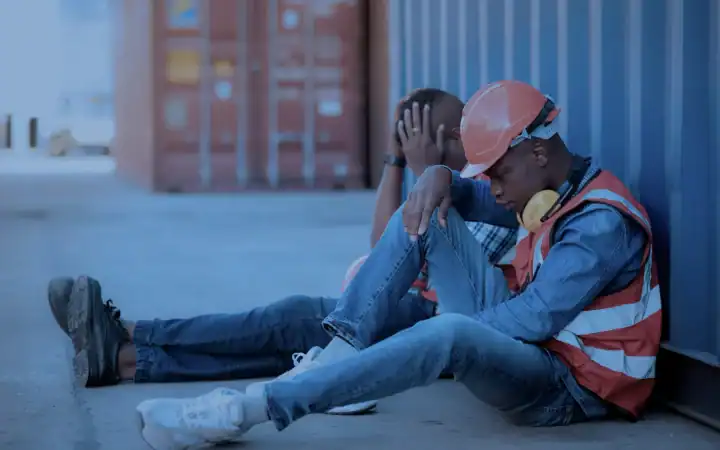
That moment your van doors open and the tools aren’t there? It’s more than just a loss—it can feel like a blow to your identity. For UK tradespeople, tool theft impacts money, confidence and sleep, and can leave mental scars. This post explores the psychology after a theft, shows why recovery is about more than insurance and gives practical steps to bounce back.
Background: the emotional toll behind the crime
- According to the UK Parliament Hansard debate, more than 80 % of victims reported a decline in their mental health after tool theft. Hansard+1
- Survey data shows nearly 90 % of UK tradespeople worry about tool theft—and that anxiety alone affects mental health, even if they haven’t been hit yet. buildersmerchantsnews.co.uk
- Networks like KYNEKT emphasise that “secure the trade” isn’t just about locks—it’s about community, awareness and emotional resilience (see their LinkedIn post).
Main arguments & points
- Shock isn’t just financial: Losing £2,000+ of kit often triggers fear, shame and helplessness as well as cash loss.
- Confidence & identity: Your tools often are your trade—so their loss feels personal and hits your self-worth.
- Sleep and focus suffer: Constant worry about a repeat incident or job loss disturbs rest, increases mistakes.
- Resilience requires support: Community connections in the trade lessen isolation—peer sharing is a mental health boost.
- Action combats anxiety: Taking steps after theft (what you do next) restores control and begins the mental recovery.
Practical tips: how you can rebuild mentally and professionally
- Talk it out: Share the incident with a trusted peer, mentor or trade network. Being heard reduces shame.
- Log the loss & claim: Document what happened, list tools, contact insurer/police—taking action counters helplessness.
- Reset your routine: Review security protocols (van locks, inventory system) to rebuild control and confidence.
- Mind your rest: Check your sleep hygiene—quiet phone alerts overnight, set a “day end” tool checklist so your mind can rest.
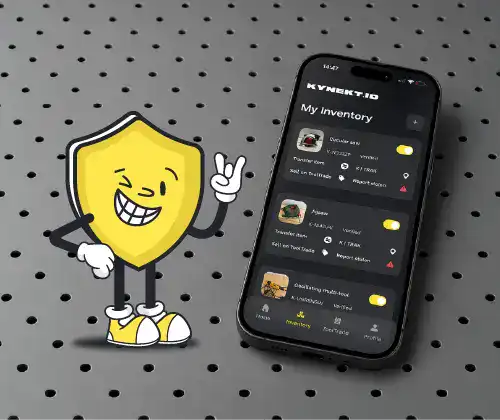
- Stay connected: Use trade networks such as KYNEKT to join group discussions, share incidents and learn from others—community strengthens recovery.
Conclusion
Tool theft strikes hard. But the fight back isn’t just about replacing gear—it’s about rebuilding your mindset, restoring your trust and to
Post-Theft: How to Bounce Back Mentally
Introduction
That gut-punch feeling when you discover your tools are gone? It’s not just the financial hit — it’s the emotional aftermath that lingers. For tradespeople across the UK, tool theft doesn’t end with a police report. It shakes confidence, sleep, and self-belief. Here’s how to rebuild mentally, regain control, and move forward stronger.
Background: The hidden cost of theft
- Research from UK Parliament debates shows over 80% of tradespeople experience stress, anxiety, or sleeplessness after tool theft.
- Studies by Simply Business reveal that even the fear of tool theft affects 9 in 10 tradespeople.
- KYNEKT’s “Secure the Trade” campaign highlights how security and mental resilience go hand-in-hand. (KYNEKT LinkedIn post)
Main arguments & points
- It’s not just about tools — it’s about identity. Losing the instruments of your trade feels deeply personal.
- The emotional hangover is real. Worry, guilt, and self-blame can eat into focus and productivity.
- Sleep and safety routines break down. Night-time anxiety and hyper-vigilance are common.
- Community support helps recovery. Connecting with others who understand the experience speeds healing.
- Action restores control. Taking concrete steps to secure your trade helps rebuild confidence.
Practical tips: rebuilding mentally & professionally
- Talk, don’t bottle it up: Speak with colleagues, a partner, or in trade forums like KYNEKT — shared stories ease isolation.
- Document & act: List losses, contact police and insurers quickly — this restores a sense of agency.
- Upgrade security: New locks, alarms, and tracking tech provide reassurance and reduce repeat anxiety.
- Prioritise rest: Set boundaries between work and recovery time; protect your sleep.
- Stay connected: Join initiatives such as Secure the Trade — community learning fuels resilience.
Conclusion
Bouncing back after theft isn’t just about replacing tools; it’s about repairing confidence. The right mix of action, conversation, and community can turn a setback into renewed strength. You’re not alone — together, through shared vigilance and support, the trade can protect its people as well as its tools.