


Introduction
You’re browsing online or at a job-site auction, and you spot a “brand-name” cordless drill at half the usual price. Could it be a deal or a dud? Behind the slick packaging and familiar badge might lurk a tool that fails under strain—and worse, puts you at risk. In the trades, distinguishing fake from genuine power drills isn’t just savvy—it’s essential. Let’s unpack how to tell the difference, why it matters and what to check before you buy.
Background: Why This Matters
- Counterfeit power tools are flooding UK and global markets, often replicating the look of major brands while skimping on safety, performance and reliability. Toolden Blog+2gibadicom+2
- The stakes for tradespeople are high: inferior drills may overheat, break fast or void warranties—costing more in downtime and repair than the initial savings.
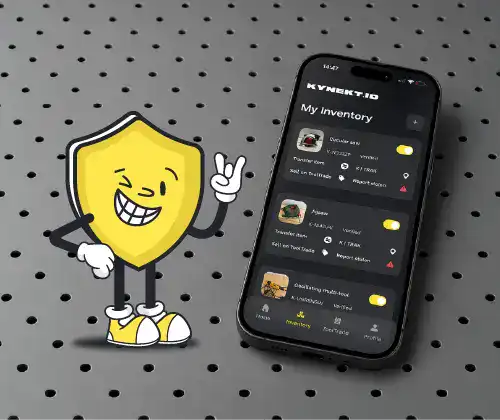
- Verified-trade platforms such as KYNEKT’s Secure the Trade initiative help raise standards in procurement, supply-chain integrity and trust.
Main Arguments & Points
• Why buying fake tools is risky
- Sub-standard materials: motors and batteries in imitation drills may not meet safety standards. gibadicom
- No official warranty or support: genuine tools offer service, parts and quality assurance.
- Brand damage: Using cut-price knock-offs can hit your reputation with clients and insurers.
• Why genuine tools pay off
- Built for job-site demands: trusted brands invest in durability and performance under stress.
- Resale value and support: better maintenance, parts availability and resale potential.
- Confidence: Knowing your kit won’t let you down means fewer interruptions and safer work.
Practical Tips — Spot the Difference
- Check labelling & branding: Look for poor print quality, spelling mistakes or mismatched logo colours—classic signs of counterfeits. Toolden Blog
- Compare build feel: Authentic drills tend to have a solid weight, smoother finish and consistent colour; fakes often feel lighter or rough around edges.
- Serial number and warranty check: Genuine models carry unique serials and you can often verify via the manufacturer’s website. gibadicom
- Buy from authorised dealers only: Avoid deals that seem “too good to be true” or from unauthorised sellers.
- Use verified-trade networks: Platforms aligned with KYNEKT increase the chance of legitimate supply chains and reduce the risk of stolen or counterfeit gear.
Conclusion
In the world of power drills, cheap can cost you dear. A tool that looks the part but fails when you need it most is more than an annoyance—it’s a business risk. By buying genuine, checking key features and using trusted supply networks, tradespeople protect their work, their safety and their reputation. When in doubt, spend a little more today and avoid a lot of regret tomorrow.