


Introduction
You spot a “tool deal too good to be true” online — free shipping, 90% off, trust the seller! But what if you’re stepping into a trap? Every day UK tradespeople and service professionals face online scams disguised as genuine offers. Knowing how to distinguish fake from real can safeguard your tools, time and money.
Background: The rising online-scam wave
- According to the Citizens Advice site, many online adverts and websites use fraudulent tactics to extract money or data. Citizens Advice+1
- The Metropolitan Police warns that while most online sellers are genuine, fraudsters hide among them, using fake sites and phishing techniques. Met Police
- For UK tradespeople, second-hand tools market, online ads and social media channels are common terrain for both genuine deals and scam traps — so staying alert matters.
Main arguments & points
✅ Fake vs Genuine: the tell-tale signs
- Unrealistic discounts (for example huge tool bargains) often signal scam websites. (One scam involved a fake offers site for items sold by a well-known UK retailer. MalwareTips Forums)
- Check for seller credentials: reviews, verified accounts, secure payment gateway.
- Genuine transactions use trusted platforms, visible policies, clear contact details; fake ones pressure you to pay outside the system or via untraceable methods.
❗ Why trade pros are particularly at risk
- Tradespeople rely on tools and equipment, and may be drawn to “cheap” offers to save costs.
- Tool theft and resale markets already exist; so fraudulent “second-hand deals” may exploit both stolen gear and scams. (One study: 60% of tradespeople had seen suspicious second-hand tool sellers. DLG Corporate Corporate Website)
- If you’re busy on job-sites, tapping rapidly through ads, the “deal” can feel urgent — scammers exploit that hurry.
Practical tips & points
- Always check a seller’s website domain, payment methods, reviews and contact info.
- Use trusted marketplaces or authorised dealers — avoid private transfers with unknown sellers.
- Never give personal, banking or card details to an unverified site — the National Cyber Security Centre advises against it. NCSC
- Enable two-factor authentication on your accounts, update software and watch for phishing links. Stop! Think Fraud
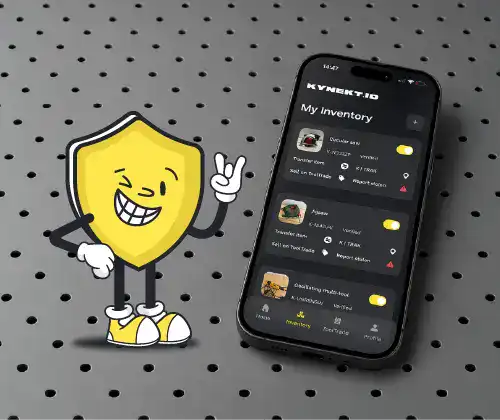
- Share alerts within your trade network — for example platforms via KYNEKT’s #SecureTheTrade campaign help spot and warn about tool-and-equipment scams. Citizens Advice+1
Conclusion
Fake vs genuine online deals can be deceptively alike — but the consequences for tradespeople can be career-impacting. The more you learn the red flags, check carefully and use your network, the safer you’ll be. Whether you’re buying tools, accepting listings or chasing bargains, vigilance and verification are your best insurance. Stay smart, stay safe—and don’t let the “deal” mask the risk.