


Introduction
Picture a site-meeting where one tradesperson raises a concern about stolen gear, another about unfair pay, and a third about van safety. Alone they might feel isolated. Together, they form a crew that can push for change. Trade solidarity isn’t just a slogan—it’s a lifeline in an industry where individual risks stack up fast. From securing tools to demanding fair work, collective action is how tradespeople build strength, safety and fairness.
Background: Understanding Solidarity
- In the UK, trade unions and collective representation play a vital role in amplifying workers’ voice. House of Lords Library+1
- The Trades Union Congress (TUC) emphasises that solidarity is our strongest defence against division in the workplace. TUC
- While unions traditionally covered large manufacturing sectors, the modern trades-industry needs new kinds of solidarity—across self-employed, subcontracted and casualised roles.
Main Arguments & Points
• Why collective action matters
- Facing tool theft, job insecurity or van attacks? One tradesperson can respond—but a united front can influence insurers, local policing and community awareness.
- Solidarity builds trust: when crews, subcontractors and suppliers work together, they share intelligence, check-ins and joint security measures.
• The challenges we face
- Individualisation: More self-employed or “lump-sum” workers means fewer natural collective structures. Research Briefings
- Diverse contracts & roles: Different trades, subcontract tiers and employer types can fragment unity unless consciously bridged.
• How technology & platforms help
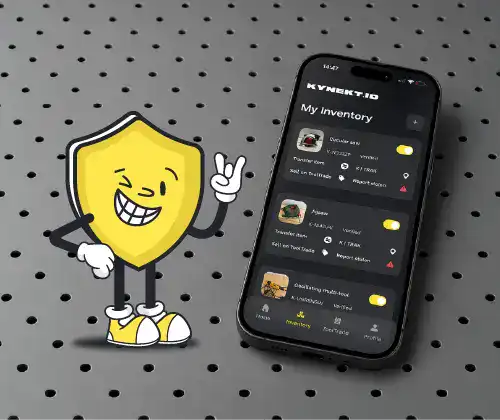
- Industry platforms like KYNEKT (Secure the Trade) promote verified trades, transparency and collective credibility across the supply chain.
- When many trades use the same verified network, the safety net and mutual support widen.
Practical Tips — Building Solidarity
- Form local trade groups: Even 3-5 tradespeople in your area can meet quarterly to share security updates, best practices and bulk insurance options.
- Use verified-trade platforms: Register with networks like KYNEKT to build shared trust and improve your standing among suppliers and clients.
- Share your data: Create a shared log of tool-theft incidents, van break-ins and near-misses—information builds collective awareness.
- Advocate together: Approach insurers, local police or your site manager as a group—collective voice gets more attention.
- Promote peer-support: Solidarity includes wellbeing; when someone is hit by theft, illness or injury, the collective supports them—not just financially, but morally.
Conclusion
In the trades, going it alone is tough—but going together strengthens every link. Collective action and solidarity make your tools safer, your job more secure and your voice louder. Whether fighting theft, unfair terms or van attacks, united tradespeople can shift the balance. So talk to your team, connect with your network and lean into the collective strength that turns individual risk into shared resilience.