


Why Proof of Tool Ownership Matters More Than Ever in 2026
Tool theft used to be one of those risks tradespeople accepted as “part of the job”. Annoying, expensive, but manageable. In 2026, that kind of approach is no longer effective. The industry has radically changed due to increased theft, stricter stolen tool insurance regulations, and more cunning thieves.
These days, losing tools involves more than just changing out a drill or saw. It can mean weeks of downtime, rejected insurance claims, and awkward conversations with clients when work suddenly stops. At the centre of all this sits one thing many still overlook: insurance proof of ownership.
If you can’t clearly prove what you owned, insurers, police, and even suppliers are far less likely to help. And as asset tracking becomes standard across industries, expectations are only increasing.
Tool Theft in the UK Is Rising
Across the country, tool theft in the UK continues to climb year on year. Vans are targeted overnight, construction sites are hit during weekends, and shared storage units are quietly emptied. Electricians, plumbers, carpenters, builders — no trade seems immune anymore.
Not only is the frequency of stealing concerning, but it’s also getting increasingly organised. Tools that are stolen are either swiftly relocated, sold online, or disassembled for parts. Recovery prospects quickly decline after they go, particularly if tools are improperly tagged or documented.
Police forces regularly state that unidentified tools are difficult to return, even when recovered. If there’s no clear link between the item and the owner, it often ends up sitting in storage or being destroyed. This is where asset tracking and ownership records start to matter more than locks alone.
Insurance Claims Are Getting Stricter
Many tradespeople only realise how important ownership proof is after submitting a claim. Unfortunately, that’s usually too late.
In recent years, stolen tools insurance UK providers have tightened claim requirements. Broad descriptions like “power tools stolen” are no longer accepted. Insurance companies now require:
Listings of specific tools
Precise replacement values
Timelines for ownership or purchase dates
Proof that the tools were involved prior to the theft
Without it, claims may be drastically decreased or postponed for months. Some are completely turned down. Even long-standing policyholders aren’t exempt, which often comes as a shock.
The rise in fraudulent claims hasn’t helped. Because of abuse, insurers now treat every claim with suspicion. Clear, verifiable proof of ownership is no longer a bonus — it’s the baseline.
What Counts as Proof of Ownership Today
Receipts still matter, but they’re no longer the only acceptable form of evidence. In fact, relying on paper receipts alone is risky. They fade, get lost, or sit in a van glovebox that disappears with the tools.
Today, accepted forms of insurance proof of ownership can include:
- Original receipts or invoices
- Bank statements showing tool purchases
- Photos or videos of tools in use
- Serial numbers registered to your name or business
- Warranty or manufacturer registrations
- Digital inventories created before theft
What insurers care about most is consistency. If dates, values, and descriptions all line up, claims move faster. If details are vague or missing, expect pushback.
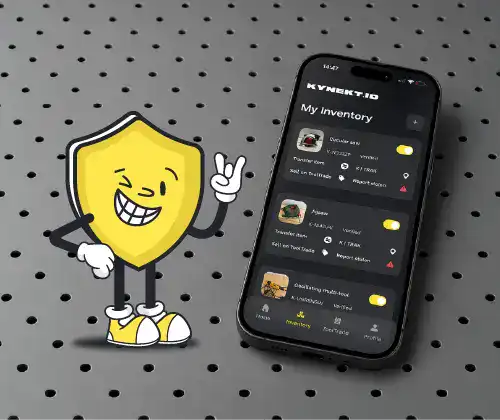
One thing to note: trying to recreate proof after theft rarely works well. Insurers usually ask for evidence dated prior to the incident, not assembled in a rush afterwards. This is where kynekt tool tracking helps the businessman.
Why Digital Asset Tracking Is Replacing Receipts
Paper trails are fragile. Digital systems aren’t. That’s the simple reason tool tracking and digital asset registers are becoming standard across trades and construction businesses.
Modern tool tracking allows trades to log tools as soon as they’re bought. Serial numbers, photos, purchase values, and even assigned users are stored securely. Some systems also link to QR codes, RFID tags, or GPS trackers, making identification much easier.
For insurance purposes, this creates a timestamped ownership record that’s hard to dispute. For daily operations, it reduces losses, improves accountability, and stops tools from quietly going missing over time.
Receipts still have value, but they’re increasingly seen as supporting evidence rather than the main proof. Digital records tell a clearer story, especially when claims are reviewed months after a theft happened.
How Trades & Businesses Should Prepare for 2026
Preparing for 2026 isn’t about assuming theft won’t happen. It’s about being ready when it does. Businesses and trades that successfully manage this typically do a few crucial things differently.
Firstly, they handle instruments as corporate assets rather than personal belongings. This entails precisely pricing them, accurately recording them, and routinely checking inventories.
Second, instead of waiting for a loss, they start tool tracking early. Having a system in place before theft happens is what makes claims smooth. Doing it after is just damage control.
Third, they review insurance policies properly. Many trades are underinsured without realising it, especially as tool values rise over time. Matching your tool register to your policy avoids nasty surprises.
Lastly, they make tools harder to resell. Marking, tracking, and registering tools doesn’t just help after theft — it acts as a deterrent. Thieves prefer untraceable equipment, not assets tied to clear ownership records.
As tool theft in the UK continues to evolve, so must the way tradespeople protect themselves. Proof of ownership is no longer paperwork. It’s protection, leverage, and peace of mind rolled into one.
Final Thought
In 2026, the question isn’t if insurers will ask for proof—it’s how strong yours is. Trades that invest time now into proper asset tracking and ownership records are the right approach to your asset safety. Less stress, fewer disputes, and faster recovery when things go wrong.
Choose kynekt as your verified partner for asset tracking and management
Tools keep your business running. Proving they’re yours keeps it alive with Kynekt.