


Introduction
You grab your favourite drill after a day’s work — but when you return, it’s gone. Now picture a world where that stolen gear is instantly flagged, tracked and blocked from resale. Welcome to the concept of the “tool blacklist.” In the UK trades scene, it may be one of the most powerful deterrents yet for tool theft.
Background: Tracking stolen gear like never before
- The Tool Watch App helps tradespeople register tools with serial numbers and mark them stolen; this aids police recovery. FMB
- Free- to-use registers such as the Tool Archive and Equipment Register exist in the UK, allowing users to flag equipment status and help create a blacklist. toolarchive.co.uk+1
- A national platform, the NMPR (National Mobile Property Register) aggregates stolen goods data, enabling police and trade-resale channels to verify status. thenmpr.com
Main arguments & points
✅ Why a blacklist matters
- Knowing a tool’s serial number is flagged “stolen” can stop criminals turning equipment into cash via second-hand markets.
- The resale risk drops, which increases the perceived risk for thieves — a key deterrent.
- Tradespeople who register and flag gear gain faster outcomes when reporting theft, simplifying insurance claims and police recovery.
❗ What’s still challenging
- Coverage and uptake: Many trades don’t register tools, so still part of an un-flagged grey market.
- Data-sharing between platforms, police and second-hand markets can be inconsistent.
- Even with a blacklist, the initial theft still happens — so the system is reactive rather than fully preventative.
Practical tips & points
- Register every tool you own on a database (e.g., Tool Watch App, Tool Archive) with serial numbers, photos and purchase receipts.
- Mark your gear visibly (engravings, UV pens) — makes identification easier in resale filters and sets you up for registry checks.
- If you’re buying second-hand tools: always check the serial number against registers such as Equipment Register or the tool checker on TradesmenLocal. TradesmenLocal
- Report theft immediately and flag the items stolen on the register so the “blacklist” status updates across resellers and police systems.
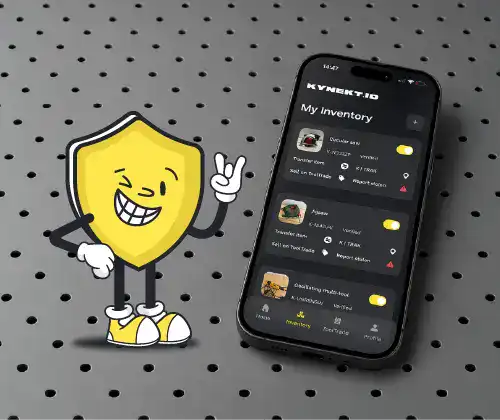
- Use community platforms like KYNEKT (see their #SecureTheTrade campaign) to stay informed, share alerts and access tool-register resources. <a href=”https://www.linkedin.com/posts/kynekt-app_securethetrade-kynekt-constructiontech-activity-7384547425891504128-tSAH” target=”_blank” rel=”noopener”>KYNEKT on Reddit</a>
Conclusion
A tool blacklist isn’t a magic wand — it won’t stop the break-in in the first place — but it flips the script: instead of thieves selling with impunity, the resale market becomes risky. For UK tradespeople, registering, flagging stolen gear and insisting on serial-number checks become powerful weapons. Use the registers, update the status, check every tool. The more flagged items in circulation, the tougher the market for stolen gear — and the safer your kit.