


Introduction
It’s the early hours. A van is broken into. Priceless power-tools vanish into the night. What happens next? Those tools don’t simply disappear — they flow into a hidden economy of reselling, swapping and underground networks. In the UK trades-community, stolen gear fuels a shadow marketplace. This post dives into how it happens, why it matters, and what you can do to stop your kit from becoming part of the trade.
1. Background: The Surge of Tool Theft & Resale
- Theft of tools in the UK has significantly risen — costing individuals and businesses thousands each incident. Hansard+1
- According to industry reports, power tools, copper and cables are among the most stolen items, with nearly one-third of professionals noting stolen goods circulating via underground networks. Installer Online+1
- These stolen tools often end up on unmonitored platforms or local swap-schemes, providing thieves a quick exit-route and buyers a bargain.
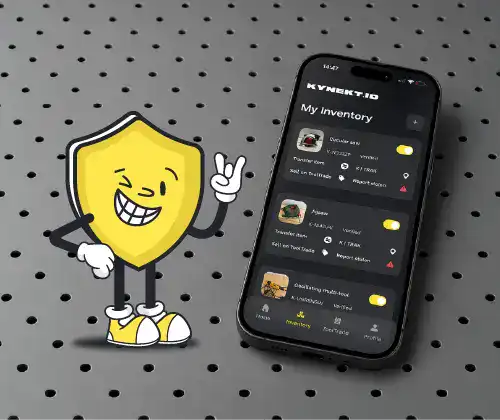
- Platforms trying to raise transparency help. For example, Kynekt’s “Secure the Trade” initiative promotes verified trade and seeks to close loopholes in resale channels.
mrplanthire.co.uk
2. Main Arguments & Points
• Why the black market thrives
- High-value tools + ease of online resale = attractive profit for thieves.
- Lack of traceability: stolen gear often lacks visible serials, or is relisted rapidly across multiple channels.
- Oversight gaps: informal resale markets (car-boot sales, online marketplaces) don’t always vet provenance.
• The pathways of resale
- Online marketplaces (Gumtree, Facebook Marketplace, eBay) allow near-anonymous listings, making stolen gear harder to trace. Insight Security+1
- Local networks: stolen tools can circulate via word-of-mouth, pubs, or informal trade-circles—less visible to law enforcement.
- Buyers and tradespeople sometimes inadvertently purchase stolen gear, which damages trust and raises insurance/contract risks.
• Why it matters for tradespeople
- Loss of livelihood: stolen tools can delay jobs, erode reputation and push businesses into risk.
- Industry impact: reselling stolen tools empowers organised criminal networks and normalises the behaviour.
- Market distortion: inflated supply of cheap “second-hand” gear undermines legitimate resale channels.
3. Practical Tips — What You Can Do
- Record serials and mark your gear: Engrave or label tools, photograph and log serial-numbers.
- Vet resale listings: If you’re buying second-hand, ask for original receipt, ownership checks and proof of Legitimate source.
- Use trusted platforms: Prefer tools/resellers that subscribe to verified-trade initiatives such as Kynekt’s Secure the Trade.
- Report suspicious gear: If a listing seems too cheap or seller vague — raise a flag with police or trusted trade forums.
- Secure your own site/van: Prioritise security to reduce the chance your tools enter the pipeline in the first place.
mrplanthire.co.uk
Conclusion
The black market for stolen tools is more than a side-issue—it’s an organised ecosystem feeding off weak controls, eager buyers and anonymous resale. For tradespeople in the UK, awareness is your best defences: record your kit, scrutinise second-hand purchases, and lean on verified-trade networks. By tightening the loop on stolen-gear resale and protecting your own kit, you help close the pipeline—not just for your own tools, but for the trade as a whole.