

Introduction
You’re browsing what seems to be a bargain cordless drill—brand-name badge, low price, “clearance sale only today”. But once you plug it in, lights flicker, battery dies fast, the casing cracks. It wasn’t just a bad purchase—it was a counterfeit. Across Europe, fake tools are creeping into supply chains, putting tradespeople, businesses and workers at serious risk. This blog shines a spotlight on the hidden blight of counterfeit tools, how it plays out in the UK and beyond, and what you can do about it.
Background: The Scale of the Problem
- European authorities detained 112 million counterfeit items worth €3.8 billion in 2024 alone. Taxation and Customs Union
- A construction-sector analysis warns counterfeit building materials and tools “pose a real threat to health as well as reputations and profits”. Fleximize
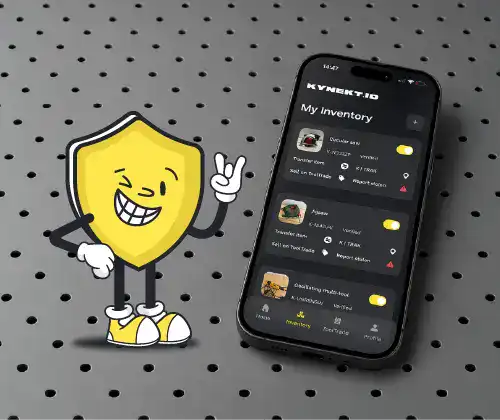
- Genuine brands and verified-trade initiatives (such as KYNEKT’s “Secure the Trade” scheme) are working to raise transparency across trades.
Main Arguments & Points
• Why counterfeit tools are spreading
- High demand for power-tools combined with tight budgets and online marketplace accessibility create ideal conditions.
- Many fake tools slip in via grey-market channels, unverified sellers and unchecked platforms.
- Counterfeits undercut genuine tools, damaging legitimate industry margins and encouraging more illicit activity.
• The risks aren’t just financial
- Inferior materials, missing safety certifications and poor manufacturing mean potential injury, equipment damage and project delays.
- Buying counterfeit tools can void warranties, invalidate insurance claims and damage professional reputation.
- UK companies must also contend with legal and compliance risks if they unknowingly trade in counterfeit gear.
Practical Tips — Protect Yourself
- Buy from authorised dealers only: If a deal seems too good to be true, it probably is.
- Check packaging, branding & serials: Spelling mistakes, sub-standard print quality or mismatched logos are red flags. Toolden Blog
- Use verified-trade platforms: Tools and networks tied to schemes like KYNEKT’s Secure the Trade help trace provenance.
- Inspect received gear closely: Compare weight, feel, finish and serial number against genuine items.
- Test tools safely: If performance or build feels weak, stop using immediately and report it.
- Educate your workforce and supply chain: Encourage staff to flag suspicious purchases and ensure procurement checks include counterfeit risk questions.
Conclusion
Counterfeit tools are far more than a nuisance—they’re a serious risk to safety, performance and business integrity. Trades across Europe, including the UK, must step up due diligence, strengthen sourcing practices and use verified networks to push back. By buying smart, checking carefully and working collectively, you protect not just your gear—but your reputation, your team and your livelihood.