


Introduction
You walk into your workshop and the tools you relied on are gone — and with them, your sense of security. When a trade kit is stolen, it’s not just about replacing sockets or drills; it’s about income lost, pride shaken and nights spent replaying “what if”. This blog post explores how to cope when theft leaves not just empty toolboxes, but emotional scars — and how talking honestly can be the first step to healing.
Background: More than just stolen gear
- New research found that 86 % of UK tradespeople worry about tool theft, and 58 % worry daily. buildersmerchantsnews.co.uk+2Electrical Contracting News+2
- An investigative piece by ITV News described a tradesperson who attempted suicide after £15,000 worth of tools vanished. ITVX
- Mental health in the trades is already fragile: 73 % of tradespeople have experienced mental ill-health at some point. onthetools.tv
Main arguments & points
✅ Why talking matters
- The silence after theft magnifies stress: loss of tools = loss of income = self-doubt escalated into anxiety or depression.
- Sharing the story turns isolation into connection: when you say “I’m nervous” you’re not weak — you’re human.
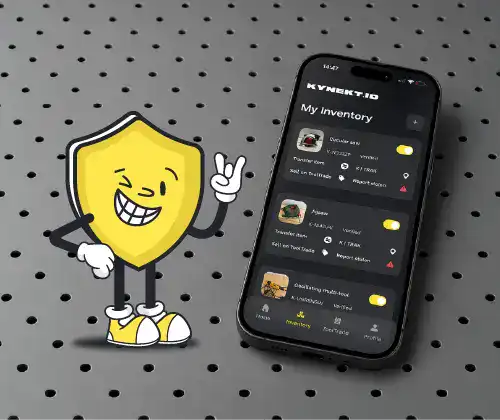
- Platforms like KYNEKT (via their #SecureTheTrade initiative) offer trade-specific peer support and open conversation. ITVX+1
❗ Why it’s tough to open up
- Trades culture often emphasises resilience: “just get on with it”.
- Busy schedules and variable income make emotional check-ins easily dropped.
- Fear of being judged or seen as vulnerable may keep you silent.
Practical tips & points
- Set a time each week to speak — with your partner, colleague or a trusted peer group — about how you’re feeling.
- Write down the theft event: what happened, the first reaction, the financial hit — externalising it helps process it.
- Use a trade-specific community (KYNEKT, forums) to share experiences; others have walked this path.
- Don’t skip professional support: if tools lost left you sleepless, anxious or afraid to work, contact a mental-health helpline.
- Reframe the narrative: rather than “they took my gear” shift to “I’m rebuilding stronger”—and acknowledge the work you’re doing to protect next time.
Conclusion
Tool theft isn’t just a physical loss — it’s emotional, mental and often unspoken. The first step to recovery isn’t changing locks or filing claims, it’s finding the words to describe how you feel. Talk to someone. Share the weight. Let your craft stay your pride, not your burden. Because healing starts when you stop carrying it alone.