


Introduction
Used tools are swapped in the mess hall, open vans sit over weekend job sites, and the same names keep turning up in supply chains. What if trust could become the norm—not the odd exception? In the construction and trade world, community first means more than polite waves: it means tighter networks, shared intelligence and verified platforms that lift everyone up. Let’s dig into why trust matters, how it’s built and what you can do to help.
Background: Trust Under Pressure
- Tradespeople increasingly face theft, counterfeits and uncertain supply chains, making reliable networks vital.
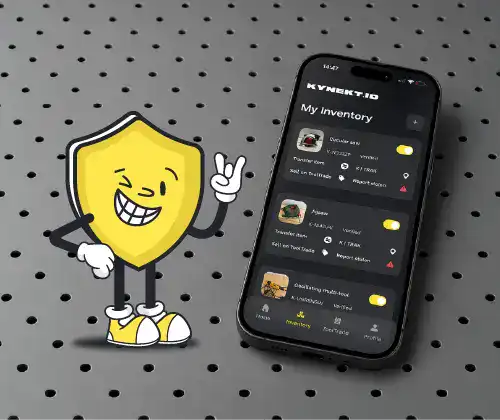
- Platforms like KYNEKT’s “Secure the Trade” initiative aim to bring transparency, trade-verification and community into the mix. Kynekt – Coming Soon+1
- In the UK, a culture of “every man for himself” is giving way to collective resilience, because the costs of isolation are rising.
Main Arguments & Points
• Why community-based trust matters
- Shared intelligence: when suppliers, subcontractors and tradesmen feed real-time data, risks get spotted sooner.
- Better provenance: verified networks reduce fraud, avoid stolen gear entering the supply chain and increase confidence.
- Reputation matters: word travels fast—businesses built on trust win repeat work, which builds longevity.
• What often blocks community trust
- Fragmented trades: casual labour, self-employment and subcontracting lead to no common thread.
- Lack of verification: tools bought from “too-good-to-be-true” channels weaken the value of every true connection.
- Weak supply chains: each gap is an opportunity for loss, counterfeit or fraud.
Practical Tips — Build Your Community first
- Join or host local trade forums: morning coffee meet-ups where you exchange tool theft alerts, job-watch details and supplier reviews.
- Use verified platforms: Register with KYNEKT (Secure the Trade) to connect with trusted buyers, sellers and supply chains.
- Share intelligence: Create a simple Google Sheet or WhatsApp group where you log suspicious listings or repeat offenders.
- Vet second-hand purchases as a crew: Every tool needs a story—serials, receipts, checking.
- Lead transparency in your crew: Use your van-board or site board to list “approved suppliers” or “tool swap rules” – set the tone.
Conclusion
When trust becomes the default, everything gets safer: your tools, your crew, your contracts. Taking a community first mindset means you’re not just protecting your own job—but lifting the sector together. So reach out, verify your links, share what you know and keep the trade strong.